Lagosians spend N14trn annually on generator fuel – Govt
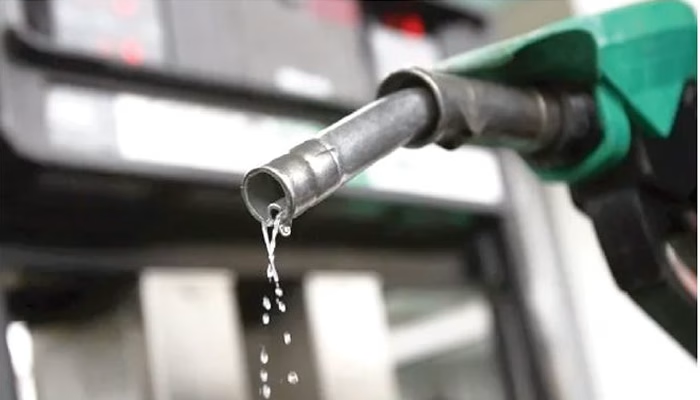
The Lagos State Government has revealed that residents spend an estimated N14 trillion each year to fuel power generators, a situation it described as unsustainable and environmentally harmful.
This revelation was made on Tuesday by the Lagos State Commissioner for Energy and Mineral Resources, Biodun Ogunleye, during the opening ceremony of the Lagos Energy Summit themed “The Journey to Energy for All.”
According to Ogunleye, Lagos is home to approximately 4.5 million generators spread across homes, businesses, and markets. These generators consume about 16 billion litres of fuel annually, with each litre costing an average of N900, culminating in the massive annual expenditure.
“Lagos has an estimated 4.5 million generators spread across residential homes, market clusters, and MSMEs,” the commissioner stated. “These generators consume 16 billion litres of fuel annually, costing Lagosians about N14 trillion. They emit 38 million tonnes of carbon monoxide every year—far exceeding emissions from countries like Togo, Rwanda, and Gabon.”
He added that this self-generated electricity contributes about 21,000 megawatts of power, but it is produced inefficiently and at great cost to individuals and the environment.
The commissioner cited findings from a study conducted in partnership with Sustainable Energy for All (SEforALL), which exposed a high dependence on generators in the state: 72 percent of households own at least one generator, 94 percent of small businesses rely on them, and 76 percent of market clusters cannot operate without generator power.
Highlighting the broader challenges, Ogunleye said, “Add to that the vandalisation of power assets, chronic underinvestment, sector-wide liquidity issues, and the plague of estimated billing—and the picture becomes clear: the people have carried the burden of power failure for far too long.”
He noted that the state is actively responding to these challenges, especially since the passage of the Electricity Act in 2023, which allows states to independently manage their electricity markets. Under the Lagos Electricity Law, the state is moving to diversify its energy sources by investing in solar, gas, hydro, and other clean alternatives.
“We are pursuing gas-fired, grid-scale solar, and captive power projects aimed at injecting 6 gigawatts of power into Lagos within the next three years,” Ogunleye announced. “We are also retrofitting 22,000 streetlights across the state to ease pressure on the grid.”
Governor Babajide Sanwo-Olu, who also spoke at the summit, expressed dismay at the country’s lingering electricity crisis.
“It is a shame for all of us to still have homes that remain in darkness in the 21st century,” the governor said. “Our vision is clear: to transform Lagos into a 24/7 economy powered by clean, reliable, and affordable energy.”
He stressed that Lagos, as the fastest-growing megacity in Africa, is ready to lead the charge toward energy access and sustainability.
Keynote speaker and former Minister of Power, Prof. Barth Nnaji, urged the Federal Government to harness Nigeria’s vast natural gas reserves to power the country. He noted that Nigeria, with one of the world’s largest gas reserves—estimated at 210.5 trillion cubic feet—should not struggle with energy access.
“Algeria, with far less gas than Nigeria, is able to provide electricity to all its citizens,” he said. “There’s no reason Nigeria should lag behind. The journey to energy for all begins with effectively utilising our gas resources.”
The summit brought together key stakeholders and experts to explore strategies for achieving energy access across Lagos and Nigeria as a whole.