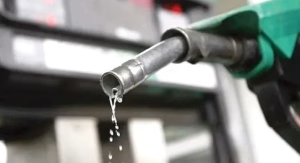
Why petrol prices remain above N739/litre despite Dangote Refinery cut

Despite intensifying competition in Nigeria’s downstream petroleum sector, many oil marketers have resisted reducing the retail price of Premium Motor Spirit (PMS), commonly known as petrol, below the ₦739 per litre benchmark set by the Dangote Petroleum Refinery.
The development comes weeks after the Dangote Refinery cut its ex-depot petrol price from about ₦900 per litre to ₦739 in December, a move widely seen as a major intervention aimed at easing fuel costs and forcing price realignments across the market. Marketers Hold Prices Above Dangote Benchmark
Market checks across major cities and peri-urban areas show that while a few marketers have adjusted pump prices downward to attract customers, a large number continue to sell petrol at between ₦740 and ₦800 per litre, depending on location and logistics considerations.
This pricing divergence has sparked questions among consumers over why the refinery’s lower pricing has not fully translated into cheaper fuel at filling stations nationwide, despite growing domestic supply.
Logistics Costs Cited as Key Constraint
Reacting to the situation, the spokesman of the Independent Petroleum Marketers Association of Nigeria (IPMAN), Chinedu Ukadike, said high transportation and distribution costs remain a major factor preventing widespread price reductions.
“Most of our members have filling stations in the outskirts, and it costs a lot to move petroleum products from one part of Nigeria to another,” Ukadike said.
“We are doing our best to sustain supplies at the filling stations, but these costs have to be factored into the pump prices.”. He added that logistics challenges, including road infrastructure constraints and security risks, continue to influence the final retail price paid by consumers.
However, Ukadike expressed optimism that prices could ease further as supply from the Dangote Refinery stabilises.
“As the Dangote Petroleum Refinery continues to supply independent marketers, we hope that the current high prices will reduce,” he said. IPMAN Backs Local Refining, Opposes Imports
IPMAN’s National President, Abubakar Maigandi Shettima, reaffirmed the association’s strong support for the Dangote Refinery, describing its operations as a turning point for Nigeria’s downstream petroleum industry.
“Our members fully support Dangote Refinery. Since supply began, marketers have consistently lifted products without any complaints,” Shettima said.
“We oppose continued importation because Dangote Refinery has the capacity to meet the country’s entire PMS demand.”. He noted that marketers are satisfied with the reliability of supply and welcomed the refinery’s plan for direct delivery to filling stations, a move expected to cut out intermediaries, reduce logistics costs, and stabilise pump prices over time.
Background: Downstream Reform and Price Dynamics
Nigeria’s downstream sector has undergone significant changes following the removal of petrol subsidies and the start-up of large-scale domestic refining.
The Dangote Refinery, with a capacity of 650,000 barrels per day, is central to the government’s strategy to reduce fuel imports, conserve foreign exchange, and improve energy security. While locally refined PMS is expected to gradually narrow price disparities across regions, analysts say structural issues—such as transportation bottlenecks, storage limitations, and uneven distribution networks—could delay uniform pricing in the short term.
Implications for Consumers and Inflation
Persistently high petrol prices remain a key driver of transport costs and headline inflation in Nigeria, affecting food prices, household expenses, and broader economic indicators.
Any sustained reduction in PMS pump prices could ease cost-of-living pressures and support business activity, particularly for small enterprises and logistics-dependent sectors. For now, consumers are likely to continue facing uneven fuel prices, even as domestic refining gains momentum and competition reshapes Nigeria’s fuel market.