
State Govt Back Cost-Reflective Electricity Tariffs
State governments have thrown their weight behind the Federal Government’s drive to implement cost-reflective electricity tariffs across the country, marking a major policy shift aimed at addressing the financial sustainability of Nigeria’s power sector.
The resolution was reached during the sixth edition of the National Council on Power, held in Maiduguri, Borno State.
The council, which comprises federal and state government stakeholders, regulatory agencies, and key industry operators, emphasised the urgent need for tariff reform while advocating for well-targeted subsidies to protect low-income earners.
In a communiqué issued at the end of the meeting and made available on Monday, the council stressed that electricity tariffs must reflect the actual cost of generation and distribution to ensure the survival of the Nigerian Electricity Supply Industry.
It noted, however, that vulnerable groups should continue to receive support through targeted and transparently administered subsidies.
The council added that such reforms must involve wide stakeholder engagement and the use of technology to ensure proper identification of those who need support.
The resolution comes amid deepening liquidity challenges in the power sector, inadequate investments in infrastructure, and surging operational costs.
The council also agreed that market liabilities must be fairly allocated among sector players through a consultative process that ensures transparency in asset and liability distribution.
In a bid to address the sector’s human capital and innovation gaps, the council directed the National Power Training Institute of Nigeria (NAPTIN) to explore alternative funding options for a Research and Innovation Framework.
The move is aimed at encouraging indigenous solutions to technical and operational problems within the sector.
It also called on NAPTIN to fine-tune its proposals on a National Human Capital Development Framework, a Structured Apprenticeship Programme, and a Gender Mainstreaming Strategy.
These proposals are to be submitted to the Minister of Power for consideration by the Power Sector Working Group.
The council further urged sub-national governments to support workforce development and job creation strategies tailored to drive inclusive and sustainable economic growth.
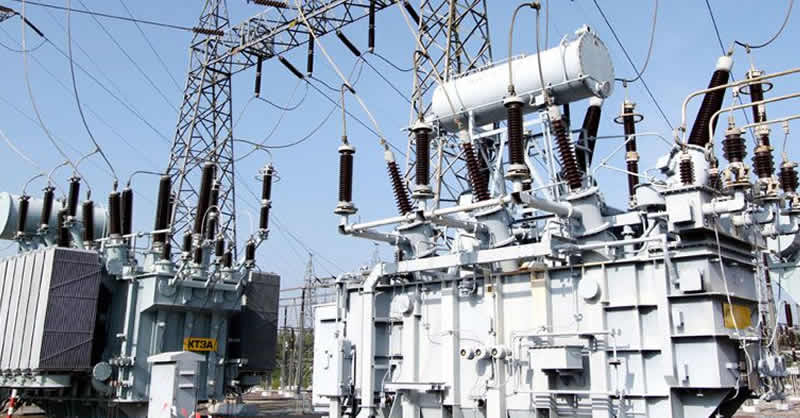
On infrastructure, the council approved the construction of new Double Circuit 330/132kV transmission lines to reinforce power supply in the Northeast and endorsed Borno State’s plan to collaborate with the Rural Electrification Agency for the deployment of solar mini-grids in rural communities.
While the Northern Corridor Transmission Project is reported to be progressing, the council noted that the much-anticipated Mambilla Hydropower Project remains stalled due to unresolved legal disputes.