

Saudi Arabia Turns Back Over 269,000 Unauthorized Pilgrims from Mecca
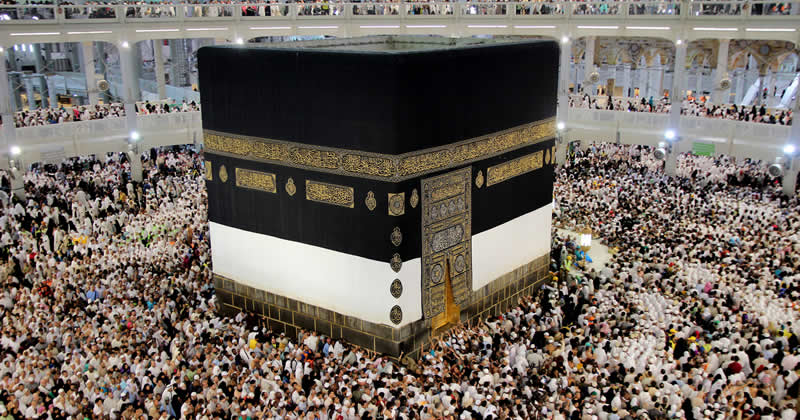
Saudi authorities have prevented more than 269,000 individuals without official Hajj permits from entering the holy city of Mecca, officials announced on Sunday.
The move comes as part of a wider campaign to control overcrowding and ensure safety during this year’s Hajj pilgrimage.
In a statement carried by AlArabiya and the Associated Press, the Interior Ministry said the enforcement targeted both foreign nationals and Saudi residents attempting to perform Hajj without proper authorization.
Those found in violation face fines of up to $5,000 and, in the case of foreign residents, possible deportation.
Authorities also reported that more than 23,000 residents had been penalized for breaching Hajj regulations. Additionally, licenses of 400 Hajj service providers have been revoked for failing to comply with official guidelines.
At a press conference held in Mecca, Lieutenant General Mohammed al-Omari confirmed that a total of 269,678 people had been stopped from entering the city without permits. “The pilgrim is in our sight, and anyone who disobeys is in our hands,” he said.
Saudi law requires that all pilgrims possess valid permits, even if they are year-round residents of Mecca. The regulation is designed to manage the flow of people and prevent unauthorized individuals from participating in the pilgrimage, which in recent years has been linked to safety risks during periods of extreme heat.
Last year, many of the deaths recorded during the Hajj were among unregistered participants, according to government sources. This year’s pilgrimage is also taking place amid high summer temperatures, prompting renewed concerns for the health and safety of attendees.
As of now, approximately 1.4 million pilgrims with official permits are in Mecca, with more expected to arrive in the coming days. In a sign of heightened surveillance, Saudi Civil Defence has introduced drones to monitor crowds, assist with surveillance operations, and support emergency response efforts, including firefighting.
The Hajj, one of the five pillars of Islam, is a religious obligation for Muslims who are physically and financially able to undertake the journey at least once in their lifetime.