
Okonjo-Iweala urges Nigeria to move beyond importing technology to local manufacturing
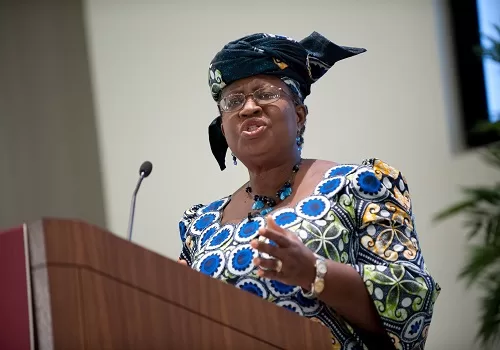
Ngozi Okonjo-Iweala, Director-General of the World Trade Organisation, has urged Nigeria to move beyond importing technology and start manufacturing it locally. She warned that relying on foreign technology weakens the country’s industrial base and limits job creation in the digital economy.
Speaking at Ahmadu Bello University, Okonjo-Iweala said the current global disruption driven by technology, geopolitics, and climate pressures presents both risks and opportunities for Nigeria and Africa if they act strategically. She emphasized that universities like ABU must drive Africa’s technological, industrial, and economic transformation.
Okonjo-Iweala highlighted Nigeria’s post-independence journey, noting that the country had only one degree-awarding institution in 1960. She praised ABU’s role in laying the foundation for Nigeria’s scientific, technological, and entrepreneurial capacity, producing graduates across various fields and advancing knowledge through research.
The WTO chief identified technology, particularly AI and the internet, as a disruptive force reshaping trade, production, and employment globally. She warned that automation and AI could deepen inequality if not managed properly and stressed that multilateral institutions and global trade rules must evolve to address emerging technologies.
Okonjo-Iweala reiterated that Nigeria must stop importing technologies it can manufacture domestically, citing solar panels as an example. She said local production would create jobs, build resilience, and grow the economy. She also emphasized the need for strong digital infrastructure, skills development, and innovation-friendly policies.
To achieve sustained growth, Okonjo-Iweala called for Nigeria to aim for 6-7% growth driven by productivity, technology, and value addition. She said implementing the African Continental Free Trade Agreement would increase intra-African trade by up to 45% and lift millions out of poverty, emphasizing that technology-enabled trade and regional integration are key to Nigeria’s economic future.