Nigeria Foreign Reserves climbs to $41.00 billion in August 2025, highest level in four years
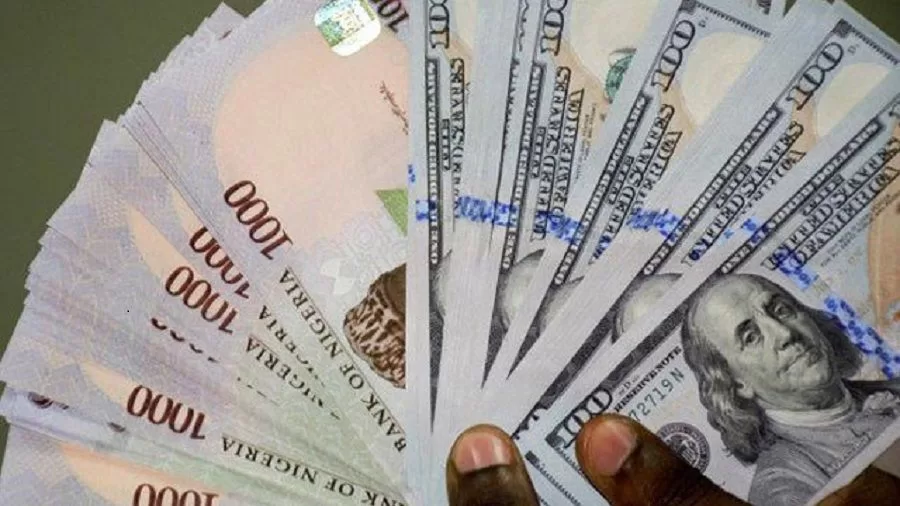
Nigeria’s foreign exchange reserves have climbed to months, according to figures published by the
Nigeria’s foreign exchange reserves have surged to $41.046 billion as of August 20, 2025, marking the highest level since December 2021 and representing a significant milestone in the country’s economic recovery trajectory. This 44-month peak signals a fundamental shift in Nigeria’s external sector dynamics and carries profound implications for various stakeholders across the economic spectrum.
The current reserve level represents a remarkable turnaround from the volatility witnessed in the first half of 2025, when reserves fluctuated between $37 billion and $39 billion. The bulk of the growth has come in the last five weeks, after a relatively sluggish first half of 2025 when reserves fluctuated between $37 billion and $39 billion, demonstrating the concentrated nature of recent gains. The reserves, which can now cover approximately 10 months of imports, significantly exceed the internationally recommended benchmark of three months’ import cover. This buffer provides Nigeria with substantial protection against external shocks and enhances the country’s ability to meet its international obligations. Starting from $40.88 billion at year-end 2024, this translates to an increase of about $124 million, or 0.30 percent, for the year, with most gains concentrated in recent weeks. This pattern suggests that specific policy interventions and external factors have converged to drive this positive momentum.
Several factors have contributed to this remarkable accumulation. Buoyed by increasing foreign exchange inflows into the country, the reserves have benefited from improved oil production, enhanced export earnings, and strategic Central Bank of Nigeria (CBN) policies. Nigeria’s daily average crude oil production improved by 3.6 percent month-on-month in June 2025 to 1.5 million barrels per day (mbpd), contributing significantly to export earnings. This production increase, combined with relatively stable oil prices, has provided the foundation for foreign exchange accumulation. The CBN’s policy reforms have also played a crucial role. The net reserves jumped to $23.11 billion at the end of December 2024, a significant leap from the $3.99 billion recorded at the end of 2023, indicating that structural reforms implemented by the central bank are yielding positive results.
For the federal government, the $41 billion reserve level provides unprecedented fiscal space and policy flexibility. The enhanced buffer allows for more aggressive infrastructure development programmes without compromising external stability. It also strengthens Nigeria’s negotiating position with international creditors and development partners. The improved reserves position supports the government’s ability to service external debt obligations while maintaining confidence in the naira. This stability is crucial for long-term planning and enables the federal government to pursue more ambitious development projects without the constant fear of balance of payments crises. Furthermore, the strong reserve position enhances Nigeria’s credit profile internationally, potentially leading to improved sovereign ratings and reduced borrowing costs. This creates a virtuous cycle where improved creditworthiness facilitates access to cheaper international financing for development projects.