

Naira under pressure despite CBN intervention, analysts warn of rising FX demand
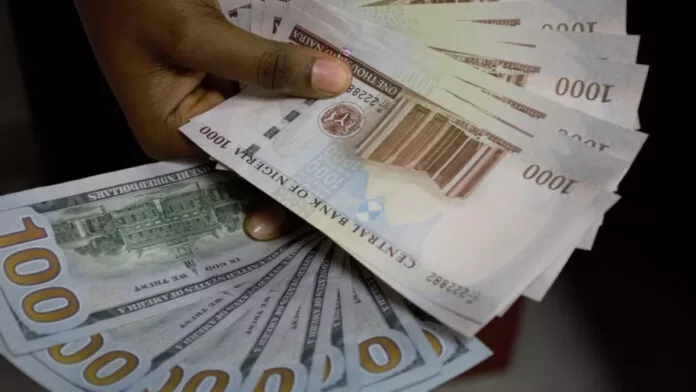
The naira weakened further in March despite interventions by the Central Bank of Nigeria (CBN), with market watchers attributing the sustained depreciation to persistent foreign exchange demand, global macroeconomic shifts, and dwindling confidence among foreign portfolio investors.
According to reports by Afrinvest and AIICO Capital, the naira fell by 2.4 per cent and 2.6 per cent month-on-month at the Nigerian Autonomous Foreign Exchange Market (NAFEM) and the parallel market, respectively.
The local currency traded at N1,536.82/$ at the NAFEM window and N1,530/$ in the parallel market at the end of March.
AIICO Capital noted in its macroeconomic review that the naira depreciated by 2.97 per cent from N1,492.49/$ at the beginning of the month, despite the CBN injecting $668.8 million into the market.
“Demand pressure remained strong, particularly from foreign portfolio investors and local corporates,” the firm reported.
Increased volatility continued into the first week of April. Though the naira remained relatively stable early in the week, trading between N1,525 and N1,535/$, a surge in offshore demand midweek caused it to dip sharply to N1,570/$, even as global oil prices slumped following an OPEC+ supply increase.
By the end of the week, the naira closed at N1,567.02/$, reflecting a 1.97 per cent depreciation, while foreign reserves dropped by $149 million to $38.15 billion.
To ease the pressure, the CBN injected an additional $197.71 million into the FX market through authorised dealers. The intervention was confirmed in a statement signed by the Director of Financial Markets, Omolara Duke.
“In line with its commitment to ensuring adequate liquidity and supporting orderly market functioning, the CBN facilitated market activity on Friday, April 4, 2025,” Duke stated.
The apex bank said it remains confident in the resilience of Nigeria’s foreign exchange framework and warned all authorised dealers to comply strictly with the Nigeria FX Market Code.
However, analysts are not optimistic about the immediate outlook for the naira.
Afrinvest projected that the end of the naira-for-crude initiative would place additional pressure on foreign exchange demand, as petroleum marketers and refineries compete for scarce dollars.
“FX demand is expected to rise as refineries join the queue, while PMS importers will need more dollars to bring in products. Against this backdrop, we expect the naira to remain pressured near-term,” Afrinvest stated.
Similarly, CardinalStone warned in its latest macroeconomic update that offshore investors were retreating due to macroeconomic uncertainties, further compounding the naira’s challenges. “Concerns relate to the risk of the government not meeting its revenue target, and the higher deficit that could imply,” the firm said, noting that crude production had slipped to 1.67 million barrels per day in February from 1.74 million in January.
The situation is also being complicated by global developments. The imposition of new tariffs by U.S. President Donald Trump has triggered volatility in international markets.
Former Zenith Bank chief economist, Marcel Okeke, warned of rising inflation in import-dependent economies like Nigeria.
“We’re likely to see an uptick in imported inflation,” Okeke said, adding that Nigeria’s heavy reliance on imports could make it particularly vulnerable to global price shocks.
As the naira continues to battle multiple headwinds, financial experts are urging a comprehensive strategy that goes beyond short-term market interventions to restore investor confidence and stabilise the currency.