
KPMG projects Nigeria’s economy to grow 4.5% by 2026, sees naira stable at N1,400/$
Professional services firm KPMG has projected that Nigeria’s economy will remain resilient, with output expected to expand by 4.5 per cent by 2026.
The outlook was presented at the KPMG Audit Committee Seminar 2026 by Wole Adelokun, Partner, Strategy and Customer Solutions, KPMG West Africa.
Adelokun said the growth projection is underpinned by easing inflationary pressures, less restrictive credit conditions, anticipated relative stability of the naira, stronger investment inflows, sustained oil production stability and expansionary fiscal spending ahead of the election cycle.
Inflation to Moderate but Remain Elevated
According to KPMG, inflation is expected to moderate over the medium term but remain in double digits, easing to between 11 and 13 per cent.
Adelokun attributed the projected slowdown to tight domestic monetary policy and reduced currency pressures, supported by the gradual relaxation of global monetary conditions.
While price stability is expected to improve, analysts note that structural supply-side constraints and fiscal pressures could keep inflation above single-digit levels in the near term.
Naira Projected at N1,400/$
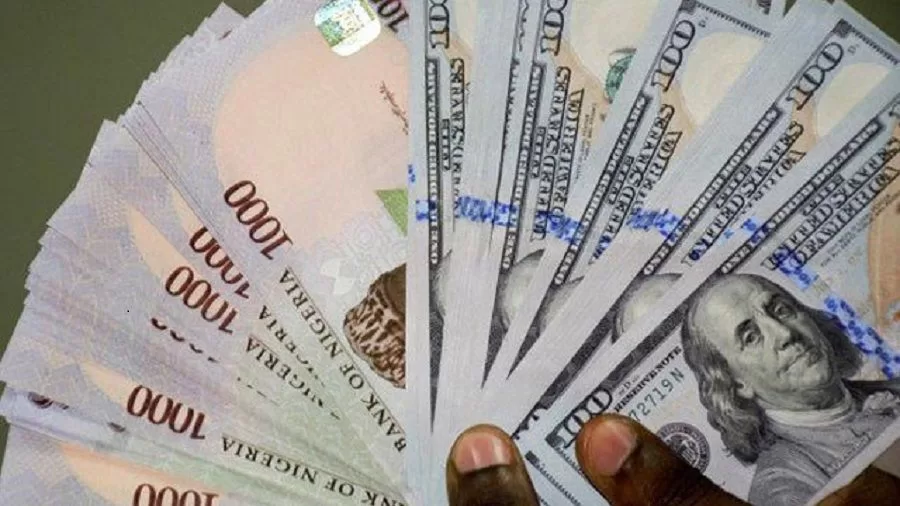
On the foreign exchange market, KPMG forecasts that the naira will remain relatively stable at an average of N1,400 per dollar.
The anticipated stability is linked to improved liquidity conditions in the FX market, rising external reserves and inflows from dollar-denominated loans.
Adelokun also cited stronger price discovery mechanisms associated with the Central Bank of Nigeria’s Electronic Foreign Exchange Matching System as a key factor supporting exchange rate transparency and investor confidence.
Investment and Oil Sector Support
KPMG expects higher investment flows and sustained oil production levels to reinforce macroeconomic stability.
Expansionary fiscal spending, particularly ahead of elections, is also projected to provide short-term stimulus to aggregate demand.
However, analysts caution that maintaining reform momentum, strengthening revenue mobilisation and safeguarding fiscal discipline will be critical to sustaining growth beyond 2026.
Overall, the firm’s outlook suggests that Nigeria’s reform-driven recovery could consolidate into a more stable growth phase, provided external shocks and oil price volatility remain contained.