
FG faces backlash from Labour, businesses over electricity tariff hike
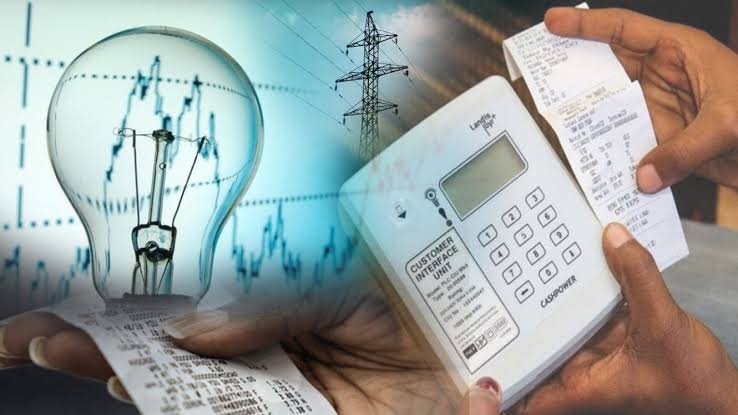
The recent decision by the Federal Government to implement a staggering 240 percent hike in electricity tariffs for consumers enjoying a 20-hour power supply has sparked widespread condemnation from manufacturers and organised labour.
The move, announced by the Nigerian Electricity Regulatory Commission (NERC) in Abuja, has drawn sharp criticism from industry stakeholders and labor unions alike. Concerns have been raised over the potential detrimental impact on businesses, inflationary pressures, and the overall economic climate.
Manufacturers and labour unions have vehemently opposed the removal of electricity subsidies, warning of dire consequences for businesses and the economy at large. They argue that the tariff hike could lead to the collapse of industries, exacerbate inflationary pressures, and impede the growth of small and medium enterprises (SMEs).
The decision, which affects consumers in the Band A category who receive up to 20 hours of electricity daily, has been met with resistance. The revised tariff of N225 per kilowatt-hour represents a significant increase from the previous rate of N68/kWh, prompting concerns about the affordability of electricity for consumers.
The Nigerian Electricity Regulatory Commission (NERC) has defended the tariff hike, citing the need to reduce the financial burden on the government and ensure the sustainability of the power sector.
However, stakeholders remain unconvinced, with labour unions condemning the decision as unjust and detrimental to the welfare of citizens.
Amidst mounting criticism, the Federal Government faces growing pressure to reconsider its stance on the electricity tariff hike.
As concerns persist about the potential economic repercussions, stakeholders are calling for a more nuanced approach that balances the need for revenue generation with the welfare of citizens and businesses.