

Don’t sell your NIN, NIMC cautions Nigerians as data fraud surges
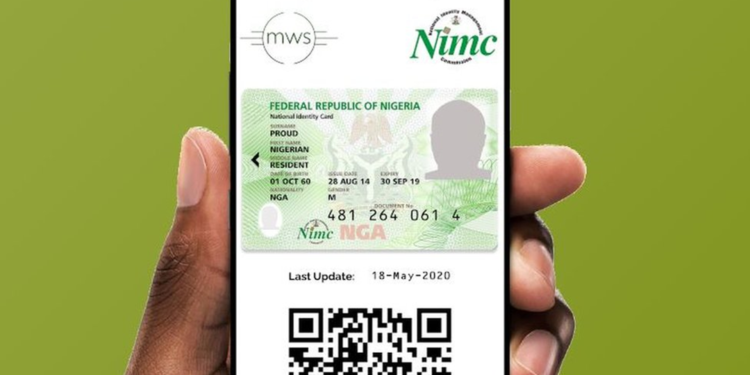
The National Identity Management Commission has raised alarm over a rising wave of fraud involving the illegal sale of Nigerians’ personal data, warning that it will not take responsibility for any consequences faced by citizens who share their National Identification Number with unauthorised parties.
The commission’s reaction follows a disclosure by the Economic and Financial Crimes Commission that over 2,000 Nigerians have fallen victim to scammers who offer between ₦1,500 and ₦2,000 in exchange for their personal data, which is then resold to Fintech companies for as high as ₦5,000.
Quoting EFCC’s statement, NIMC said, “This fraud scheme is largely driven by an army of young Nigerians offering a paltry payment of between N1500 and N2000 to their victims to make them surrender a copy of their personal information details to them and sell the same information to some Fintech Institutions for about N5000”
The NIMC’s Head of Corporate Communications, Dr Kayode Adegoke, in a statement issued in Abuja on Sunday, described the trend as “a serious security concern” with “grave consequences on the NIN holders.”
“The NIMC wishes to state clearly that it will not be held responsible for any personal information shared by an individual directly or by proxy for the purpose of financial gain or inducement,” Adegoke stated.
He warned that disclosing personal data carelessly exposes citizens to identity theft, fraud and other criminal activities, and reminded the public that “Nigerians have been informed repeatedly in the past by the NIMC not to disclose their NIN to any unauthorised individual or organisation.”
The agency also cautioned service providers to verify all NINs presented before granting access to any services, saying such verification is key to protecting users’ identities.
“To enjoy seamless benefits, including protection and control of their personal information, Nigerians are advised to download the NINAuth App on Apple iOS or Google Play Store,” the statement added.
Adegoke reiterated that digital identity security remains a shared responsibility, and urged citizens to treat their NIN with the same level of confidentiality as their ATM PINs or passwords.