
Atiku faults $4.5bn NNPCL loan refinancing
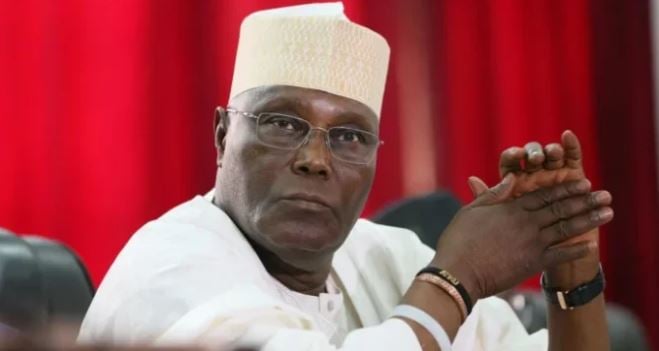
Former Vice President, Atiku Abubakar, has condemned the Federal Government’s approval of a $4.5bn refinancing of the Nigerian National Petroleum Company Limited’s oil-backed loan, accusing President Bola Tinubu of deepening the country’s debt burden and mortgaging the nation’s future.
Atiku described the decision as evidence that the Tinubu-led government had embraced borrowing as a permanent fiscal strategy despite increased government revenues and painful economic reforms imposed on Nigerians.
In a statement issued on Wednesday by his Senior Special Assistant on Public Communication, Phrank Shaibu, the former vice president said every new oil-backed borrowing arrangement further commits Nigeria’s future crude earnings and leaves the country trapped in a cycle of debt.
“President Tinubu has become the weapon fashioned against Nigeria’s economy. Nigeria deserves leadership that preserves national assets, not one that continually pledges them to finance an endless cycle of waste, opacity and fiscal irresponsibility,” Atiku said.
He argued that the latest refinancing contradicted the presidency’s recent defence of its economic management following his allegations of an unexplained ₦17tn crude oil windfall.
According to Atiku, the presidency had claimed that Nigeria could not fully benefit from rising global crude oil prices because future oil revenues had already been committed to servicing existing oil-backed foreign loans.
“That explanation should have embarrassed any responsible government. Instead, this administration has chosen to double down on the very scandal it sought to justify by approving yet another $4.5bn refinancing. Rather than breaking free from the chains of oil-backed indebtedness, it is tightening them,” he said.
The ADC presidential candidate questioned why an administration that had removed fuel subsidy, introduced new taxes, recorded higher crude oil earnings and continued to borrow domestically still found it necessary to refinance billions of dollars secured against future oil production.
“What kind of government inherits a nation blessed with abundant oil resources, removes fuel subsidy, imposes multiple taxes, records unprecedented crude oil windfalls, borrows aggressively at home, and still finds it necessary to refinance billions of dollars secured against the country’s future oil production?” he asked.
Atiku maintained that the real concern was not merely the refinancing but what he described as the disconnect between the hardship experienced by Nigerians and the government’s continued appetite for borrowing.
“The tragedy is not merely the refinancing itself. The tragedy is that Nigerians have been subjected to untold hardship in the name of economic reforms, yet the borrowing never stops. The pain is permanent, but the promised gains remain invisible.
“President Tinubu promised renewed hope. What Nigerians have received is renewed debt, renewed hardship and renewed uncertainty. Under his watch, debt has become policy, borrowing has become governance, and mortgaging the future has become the defining philosophy of his administration,” he stressed.
Atiku called on the Federal Government to publish the full details of the refinancing arrangement, including its terms, repayment obligations and the volume of crude oil committed under the deal.
He said Nigerians had a right to know the extent of the country’s financial commitments and demanded greater transparency in the management of public debt.
The National Economic Council recently approved the refinancing of the $4.5bn oil-backed loan involving the NNPCL, a move the government says is aimed at restructuring existing obligations and improving the company’s financial position.
The latest criticism comes amid a sustained exchange between Atiku and the presidency over the management of Nigeria’s oil revenues, public debt and the broader direction of the country’s economic reforms.
While the Federal Government has defended its borrowing and reform policies as necessary to stabilise the economy, opposition figures have argued that the increasing debt profile and continued use of oil-backed financing could constrain Nigeria’s future fiscal flexibility.