

Tinubu secures $11.4bn World Bank loans in three years, nears Buhari’s eight-year total
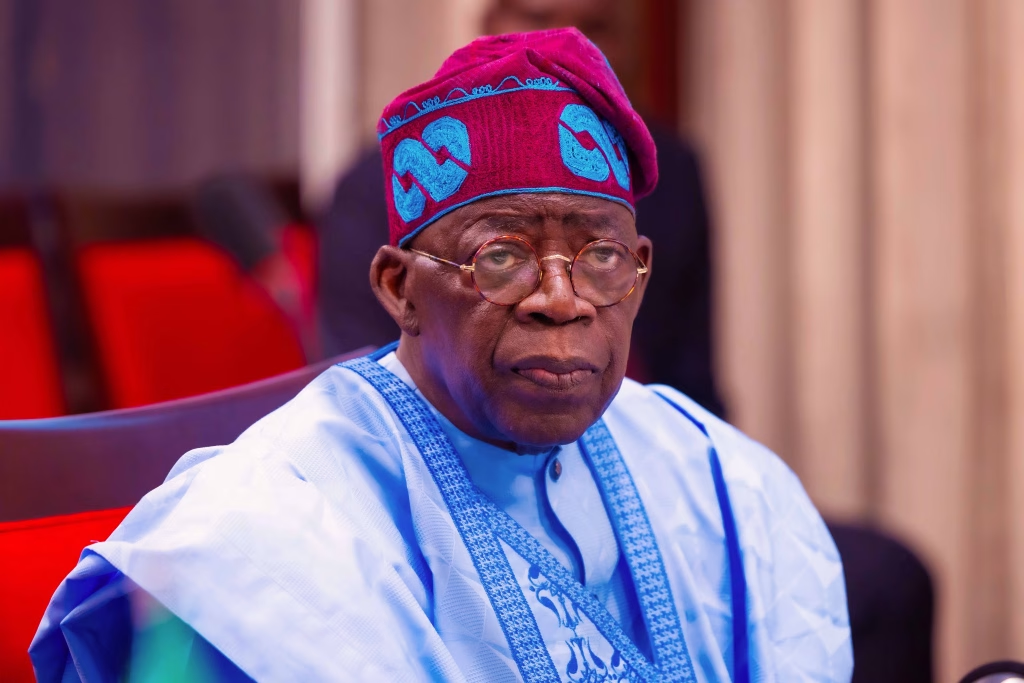
President Bola Tinubu’s administration has secured $11.4 billion in World Bank loan approvals in just three years, putting it on track to surpass the total financing obtained during former President Muhammadu Buhari’s eight-year tenure.
According to The PUNCH, an analysis of World Bank data shows that Nigeria received approvals worth $11.40 billion between June 2023 and June 2026, representing about 78.2 per cent of the $14.59 billion approved during Buhari’s administration from May 2015 to May 2023.
The figures indicate that Tinubu’s administration requires another $3.19 billion in approvals to exceed the total secured under Buhari.
The analysis also showed that Tinubu’s loan approvals have already surpassed the $5.56 billion approved during Buhari’s first four years in office by more than 105 per cent.
Despite the volume of approvals, only $2.32 billion has so far been disbursed under Tinubu’s administration, leaving about $8.41 billion yet to be drawn. This represents a disbursement rate of approximately 20.3 per cent.
By comparison, projects approved during Buhari’s presidency recorded significantly higher implementation levels, with $11.94 billion of the $14.59 billion approved already disbursed, representing an 81.8 per cent disbursement rate.
The World Bank financing secured under Tinubu has largely targeted economic reforms, power, agriculture, education, healthcare, digital infrastructure, financial inclusion and social protection.
The largest single approval came in June 2024, when the World Bank approved a $2.25 billion financing package to support Nigeria’s economic reform programme, strengthen macroeconomic stability, improve domestic revenue mobilisation and cushion the impact of ongoing reforms on vulnerable households.
The package coincided with the Federal Government’s implementation of major economic policies, including the removal of petrol subsidy and the liberalisation of the foreign exchange market, reforms that have contributed to rising inflation and increased living costs.
In June 2026, the World Bank approved another $1.25 billion under the Nigeria Actions for Investment and Jobs Acceleration programme as part of its Country Partnership Framework for Nigeria covering 2026 to 2032.
According to the bank, the programme is designed to promote private sector-led growth, create jobs, expand energy access, strengthen digital infrastructure and improve agricultural productivity.
Other major approvals under the Tinubu administration include funding for power sector reforms, renewable energy, agriculture, healthcare, education, digital infrastructure, financial inclusion, nutrition, disease surveillance and support for micro, small and medium-sized enterprises.
However, implementation of many of the recently approved projects remains at an early stage, with several yet to record any disbursement.
Sectoral analysis of the World Bank portfolio shows that economic reforms, power, agriculture, education and healthcare account for the largest share of financing approved since Tinubu assumed office in May 2023.
Overall, the data indicates that Tinubu’s administration has averaged about $3.7 billion in World Bank loan approvals annually over the past three years, more than double the annual average of approximately $1.82 billion recorded during Buhari’s eight-year administration.


