

Katsina Govt Approves N30,000 Incentive for Rural School Teachers
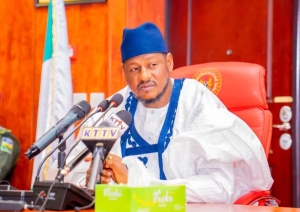
Katsina State Government has announced a new N30,000 monthly incentive for teachers posted to rural communities, aiming to enhance motivation and ease the financial challenges of working in remote areas.
The approval was granted during the State Executive Council’s 18th regular meeting on Wednesday, chaired by Governor Dikko Radda.
Speaking to journalists on Thursday, the Commissioner for Basic and Secondary Education, Yusuf Suleiman-Jibia, explained that the allowance will be disbursed each term and is designed to encourage greater dedication among rural teachers.
He added that the council also approved the creation of Teachers’ Development Training Centres in Katsina, Daura, and Funtua to support continuous professional growth across the state.
The centres, he said, would enhance the capacity of primary and secondary school teachers through continuous training, using experts drawn from higher institutions and retired educationists.
The News Agency of Nigeria reports that the decision aligns with recommendations made at a summit held in September by Save the Children International, funded by Education Cannot Wait.
At the summit, officials emphasised the need to encourage teachers to accept postings in hard-to-reach and insecure communities, where teacher shortages remain critical.
The Director of Schools, Senior, in the ministry, Hajiya Raliya Yusuf, said that the aim was to encourage them to accept posting, especially to areas with light security challenges.
Yusuf explained that it was worrisome to see that many teachers always want to remain within the urban areas, leaving the rural areas with very few teachers.
The SCI Programme Manager, Mrs Atine Lewi, said, “As an organisation working to improve education outcomes in Katsina, we recognise how impactful this support will be.
“This incentive will not only encourage greater commitment among teachers but also motivate them to remain in remote communities where their presence is most crucial.”
According to the SCI programme manager, these interventions reflected a purposeful and forward-looking approach to education reforms.
NAN


