

Senate pushes fresh amendments to NDLEA Act after Tinubu withheld assent
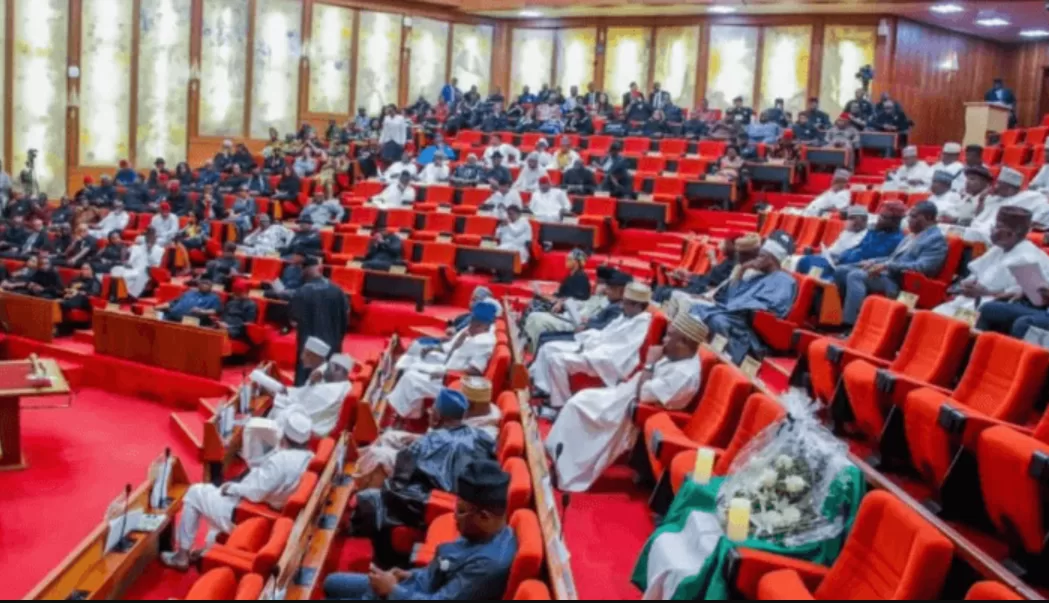
The Senate on Monday urged key stakeholders—including the National Drug Law Enforcement Agency and the National Human Rights Commission—to return to the drawing board and re-present amendments to the National Drug Law Enforcement Agency Act, 2004, after President Bola Ahmed Tinubu declined assent earlier this year.
The upper chamber disclosed that the National Assembly had, in June 2025, concluded work on the amendment to the NDLEA Act, 2004.
However, the President withheld his signature because a section of the bill conflicted with Section 58(4) of the 1999 Constitution.
Senate Leader, Senator Opeyemi Bamidele, made the call in Abuja at a technical workshop organised by the NHRC, the Civil Society Human Rights Defenders Forum, and the Human Rights Expo.
The workshop, themed “Towards a Comprehensive Drug Harm Reduction Strategy in Nigeria: Legislative Perspectives and Opportunities,” explored reforms to drug-control laws to make them more health-centred and less punitive.
Represented by his Chief of Staff, Mr Charles Luri-Bala, Bamidele praised the NHRC and its partners for championing a shift toward evidence-based drug policies.
He said the Senate “recognise that the challenges posed by illicit drug use require a multi-sectoral approach that respects the fundamental rights of all persons, particularly those in vulnerable populations.
“At the National Assembly, we believe that an effective drug strategy must shift away from overly punitive policies that only exacerbate stigma to a comprehensive approach that prioritises treatment, rehabilitation, and social reintegration.
“These are the issues that informed the decision of the 10th National Assembly to amend the National Drug Law Enforcement Act, 2004. But Mr President declined assent to the bill because it conflicted with Section 58(4) of the Constitution of the Federal Republic of Nigeria, 1999 (as amended).”
Bamidele stressed that the rejection did not foreclose the amendment process, noting that the Senate remains open to revisiting the bill once the offending section is addressed.
He maintained that the proposed legislation carries significant implications for national development and could overhaul Nigeria’s approach to drug control if properly enacted.
The Senate leader assured the participants that lawmakers “are committed to reviewing and supporting an amendment to the legislation that would provide adequate legal and institutional backing for evidence-based drug-harm-reduction strategies.
“The insights and recommendations generated from this workshop, particularly from the legal and specialist perspectives, will be invaluable for the National Assembly as we consider necessary policy reforms.”
In June 2025, President Tinubu withheld assent to the National Drug Law Enforcement Agency Act (Amendment) Bill, citing constitutional concerns.
He specifically objected to a provision that would have allowed the NDLEA to retain a portion of proceeds from drug-related crimes.
Under existing law, all proceeds of crime must be remitted to the Confiscated and Forfeited Properties Account.
The Senate’s latest move signals renewed momentum to resolve the constitutional conflict and return the bill for presidential approval.


