
Tinubu’s 2027–2031 Manifesto Promises On Jobs, Housing, Security And The Economy

Tinubu targets 6% economic growth, 200,000 homes, expanded electricity and healthcare, better security, and a reduction in youth unemployment by half, all before 2031.
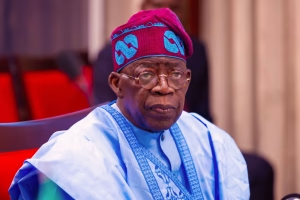
President Bola Tinubu’s 2027–2031 manifesto outlines pledges to reduce youth unemployment, expand affordable housing, strengthen national security and improve living conditions, with targets covering the economy, electricity, education and healthcare.
The All Progressives Congress (APC) document, titled From Reform to Prosperity Agenda 2027–2031, sets out the administration’s priorities for a possible second term, organised around four broad pillars: national security, quality of life, economic growth and accountable governance.
Among its major targets are six per cent annual economic growth, a 50 per cent reduction in youth unemployment, 200,000 affordable homes and electricity generation scaled towards 10,000 megawatts by 2031.
Jobs And The Economy
On employment, the manifesto targets annual economic growth of six per cent by 2031 and a 50 per cent reduction in youth unemployment.
It also proposes extending equitable access to credit to half of all economically active Nigerians and creating one million export-linked jobs for young Nigerians by 2030.
The document further sets a target of establishing at least one major industrial hub in each of the country’s six geopolitical zones to support manufacturing, investment and job creation.
For young people, it proposes skills training for two million Nigerians and digital literacy programmes targeting 30 million people. It also outlines plans to expand youth employment and enterprise initiatives, including private-sector placements under the National Youth Service Corps (NYSC), BOI-NYSC and the Corpreneur programme.
The manifesto describes its economic ambition as delivering “expanded jobs and higher real incomes”, while pledging to make the gains of economic reforms more visible in the daily lives of Nigerians.
“The next phase is about turning economic reform into visible prosperity,” the document states, adding that its ambition includes “power that works, infrastructure that connects, farms and factories that produce, businesses that grow, jobs that pay”.
Housing And The Cost Of Living
On housing, Tinubu’s manifesto proposes facilitating the construction of 200,000 affordable homes for Nigerian workers through the Tinubu Mass Social Housing Scheme, mortgage financing and partnerships with licensed private developers.
It also outlines plans to establish social housing across the country’s 774 local government areas, with a target of 200 units in each council area, amounting to 154,800 homes.
The document proposes raising the Federal Mortgage Bank of Nigeria’s loan ceiling from ₦50 million to ₦85 million and increasing National Housing Fund contributors from six million to 10 million by 2028.
It also includes plans to expand affordable rental housing and support incremental housing, allowing households to build their homes gradually.
The manifesto says the housing programme will provide “a credible route to a decent home for working Nigerian households”, with progress monitored through a public dashboard tracking completed and mortgaged homes.
On the cost of living, the manifesto promises to keep inflation on a sustained downward path while expanding domestic food production, storage and processing.
It targets halving post-harvest losses and improving the movement of goods between states to reduce transportation costs. It also proposes stronger market surveillance for food, fuel, medicines and other essential goods, with measures to tackle price manipulation, hoarding and cartels.
The document further targets expanding social protection to 20 million verified beneficiaries by 2030.
Electricity And Infrastructure
In the power sector, the manifesto targets scaling available electricity generation towards 10,000 megawatts, extending metering towards full coverage and strengthening transmission and distribution networks.
It also proposes expanding clean energy access to underserved communities, improving electricity supply to industrial clusters and strengthening gas-to-power projects.
The document says the government will work towards an economy powered by “reliable and affordable energy”, alongside modern infrastructure and competitive industries.
On transportation, it outlines plans to improve roads, railways, maritime ports, aviation and public transport, alongside expanding broadband connectivity and access to digital services.