

Naira trades at ₦1,420 per dollar in the informal FX segment, losing ₦5 in 24 hours
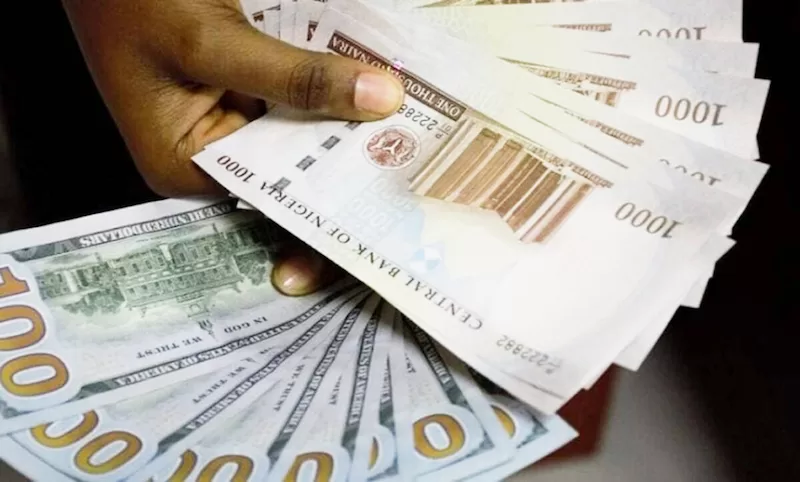
Naira trades at ₦1,420 per dollar in the informal FX segment, losing ₦5 in 24 hours as dollar supply tightens
Bureau de Change operators in Lagos and Abuja quote rates up to ₦1,425 amid persistent demand pressure
Official window closes at ₦1,386.70 after a ₦4.07 decline; gross external reserves dip to around $49.57 billion following settlements
Reduced CBN interventions and global factors including US-Iran tensions contribute to the weakness
The naira weakened against the US dollar in the informal foreign exchange market, trading at ₦1,420 per dollar as of Thursday amid acute dollar shortage and rising demand for foreign payments. Leading Bureau de Change operators quoted the greenback at ₦1,420, with some demanding as high as ₦1,425 in Lagos and Abuja. This marks a ₦5 loss over the past 24 hours and reflects constrained supply in the parallel segment.
At the official Nigerian Foreign Exchange Market (NFEM) window, the naira also depreciated on Wednesday, with the spot rate declining by ₦4.07 to close at ₦1,386.70 per dollar. Recent CBN data shows the official rate hovering around ₦1,380–₦1,387 in recent sessions, with turnover varying day to day. Nigeria’s gross external reserves have declined in recent days to levels near $49.57–$49.83 billion following foreign exchange settlements and interventions, even as broader 2025–early 2026 figures showed net reserves strengthening significantly to $34.8 billion by end-2025 and gross reserves reaching $50.45 billion in mid-February 2026.
The Central Bank of Nigeria has deliberately scaled back frequent interventions after earlier periods of naira rebound, allowing greater market determination of rates as part of ongoing FX reforms aimed at improving transparency and reducing arbitrage. This policy shift has supported overall reserve rebuilding and capital inflows but has also exposed the currency to short-term supply-demand imbalances, particularly in the informal market where retail and small-business demand remains elevated.
Global developments have added pressure. The ongoing US-Iran conflict has driven safe-haven demand for the dollar, pushing the US Dollar Index higher in recent sessions while contributing to volatility in emerging market currencies. Despite initial expectations that Middle East instability could indirectly support Nigeria through higher oil prices and potential FX earnings, the immediate effect has been stronger dollar demand locally without a commensurate boost to reserve accretion in the very short term.
The Issues
Persistent dollar scarcity in the parallel market highlights structural challenges in Nigeria’s FX ecosystem, including the premium between official and informal rates and the reliance on CBN liquidity management. While reforms under Governor Olayemi Cardoso have narrowed spreads at times, unified the market, cleared backlogs, and attracted inflows, short-term pressures from import demand, speculative activity, and global geopolitics continue to test resilience. External reserves, though improved on a yearly basis with net positions rising sharply, remain vulnerable to settlement outflows and the need for measured interventions to avoid depleting buffers. Sustained stability will depend on consistent non-oil export growth, disciplined fiscal spending, and avoiding policy reversals that could erode investor confidence.
Naira trades at ₦1,420 per dollar in the informal FX segment, losing ₦5 in 24 hours as dollar supply tightens
Bureau de Change operators in Lagos and Abuja quote rates up to ₦1,425 amid persistent demand pressure
Official window closes at ₦1,386.70 after a ₦4.07 decline; gross external reserves dip to around $49.57 billion following settlements
Reduced CBN interventions and global factors including US-Iran tensions contribute to the weakness
The naira weakened against the US dollar in the informal foreign exchange market, trading at ₦1,420 per dollar as of Thursday amid acute dollar shortage and rising demand for foreign payments. Leading Bureau de Change operators quoted the greenback at ₦1,420, with some demanding as high as ₦1,425 in Lagos and Abuja. This marks a ₦5 loss over the past 24 hours and reflects constrained supply in the parallel segment.
At the official Nigerian Foreign Exchange Market (NFEM) window, the naira also depreciated on Wednesday, with the spot rate declining by ₦4.07 to close at ₦1,386.70 per dollar. Recent CBN data shows the official rate hovering around ₦1,380–₦1,387 in recent sessions, with turnover varying day to day. Nigeria’s gross external reserves have declined in recent days to levels near $49.57–$49.83 billion following foreign exchange settlements and interventions, even as broader 2025–early 2026 figures showed net reserves strengthening significantly to $34.8 billion by end-2025 and gross reserves reaching $50.45 billion in mid-February 2026.
The Central Bank of Nigeria has deliberately scaled back frequent interventions after earlier periods of naira rebound, allowing greater market determination of rates as part of ongoing FX reforms aimed at improving transparency and reducing arbitrage. This policy shift has supported overall reserve rebuilding and capital inflows but has also exposed the currency to short-term supply-demand imbalances, particularly in the informal market where retail and small-business demand remains elevated.
Global developments have added pressure. The ongoing US-Iran conflict has driven safe-haven demand for the dollar, pushing the US Dollar Index higher in recent sessions while contributing to volatility in emerging market currencies. Despite initial expectations that Middle East instability could indirectly support Nigeria through higher oil prices and potential FX earnings, the immediate effect has been stronger dollar demand locally without a commensurate boost to reserve accretion in the very short term.
The Issues
Persistent dollar scarcity in the parallel market highlights structural challenges in Nigeria’s FX ecosystem, including the premium between official and informal rates and the reliance on CBN liquidity management. While reforms under Governor Olayemi Cardoso have narrowed spreads at times, unified the market, cleared backlogs, and attracted inflows, short-term pressures from import demand, speculative activity, and global geopolitics continue to test resilience. External reserves, though improved on a yearly basis with net positions rising sharply, remain vulnerable to settlement outflows and the need for measured interventions to avoid depleting buffers. Sustained stability will depend on consistent non-oil export growth, disciplined fiscal spending, and avoiding policy reversals that could erode investor confidence.
“The CBN’s decision to allow more market-driven pricing is positive for long-term credibility, but short-term dollar shortages continue to affect SMEs and retail users who depend on the parallel market,” said an analyst at a Lagos-based research firm who requested anonymity due to ongoing market sensitivity.
Industry operators note that demand for dollars for school fees, medical tourism, and small imports has intensified, while supply from diaspora remittances and oil-related inflows has not fully offset the gap in recent days.
The CBN has not issued a specific comment on the latest daily movements but has repeatedly emphasised its commitment to orderly market operations and building external buffers through reforms.
Traders expect the naira to trade within a ₦1,370–₦1,390 band at the official window in the near term, with parallel rates potentially remaining under pressure until fresh dollar supply emerges. The next Monetary Policy Committee meeting and any scheduled CBN interventions or FX auction outcomes will be closely watched. Analysts project that sustained reserve growth and non-oil inflows could help moderate volatility later in 2026, though geopolitical risks in the Middle East remain a wildcard for global dollar strength.
The latest naira softening in the informal segment underscores the limits of reduced CBN intervention in the face of immediate dollar demand and external shocks. While the bank’s reforms have delivered stronger reserves and greater market transparency over the past two years, closing the persistent official-parallel premium and shielding vulnerable segments of the economy from short-term FX volatility will require continued discipline on both monetary and fiscal fronts. For businesses and households, this serves as a reminder that FX stability remains work in progress rather than a settled outcome.