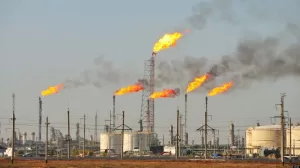

Nigeria targets 100,000 bpd oil output boost as NNPC signals execution reforms

Nigeria targets 100,000 bpd oil output boost as NNPC signals execution reformsProduction ramp-up plan positions Africa’s largest crude producer to support global supply amid geopolitical disruptions
Nigeria is aiming to increase crude oil production by approximately 100,000 barrels per day (bpd) in the coming months, as the Nigerian National Petroleum Company accelerates operational improvements and project delivery reforms.
Group Chief Executive Officer Bashir Bayo Ojulari said the country is building capacity to raise output, positioning itself as a marginal contributor to global supply stability amid ongoing geopolitical tensions affecting oil markets.
Nigeria produced an average of 1.6–1.7 million bpd last year and is targeting 1.8 million bpd in 2026, Ojulari told Reuters on the sidelines of CERAWeek by S&P Global in Houston.
“We are building that capacity,” Ojulari said, while noting that Nigeria’s scale remains below that of major OPEC producers such as Saudi Arabia. “But we can contribute.”
Global Supply Context
Nigeria’s planned output increase comes at a time when global oil markets are closely monitoring supply disruptions linked to geopolitical tensions, including the ongoing U.S.-Israeli war on Iran. Analysts suggest incremental production from mid-tier producers like Nigeria could help cushion volatility in crude prices.
As a key member of the OPEC, Nigeria’s output trajectory is also significant for quota compliance and broader market balancing efforts.
Operational Reforms Underway
Ojulari disclosed that NNPC completed a comprehensive portfolio review in 2025 and has begun implementing structural and operational changes aimed at improving efficiency.
A central focus is strengthening project execution, with emphasis on delivering oil and gas developments on schedule and within budget—an area historically challenged by delays and cost overruns.
Industry observers note that improved execution discipline could unlock latent production capacity, enhance investor confidence, and attract fresh capital into Nigeria’s upstream sector.
Investment and Economic Implications
For global investors, Nigeria’s ability to scale output sustainably remains critical to its fiscal outlook, given the country’s reliance on hydrocarbon revenues.
Increased production could bolster foreign exchange inflows, stabilise government finances, and support macroeconomic reforms.
However, analysts caution that achieving production targets will depend on continued improvements in infrastructure reliability, security in oil-producing regions, and regulatory consistency.
While Nigeria’s projected 100,000 bpd increase may not dramatically shift global supply dynamics, it underscores the country’s strategic intent to reclaim lost output capacity and reinforce its role in international energy markets.
As implementation of NNPC’s reforms progresses, market participants will be watching closely for tangible gains in production efficiency and delivery timelines.