Nigeria Treasury Bills auction draws N2.57trn demand for 364-day papers, despite slight drop in stop rate
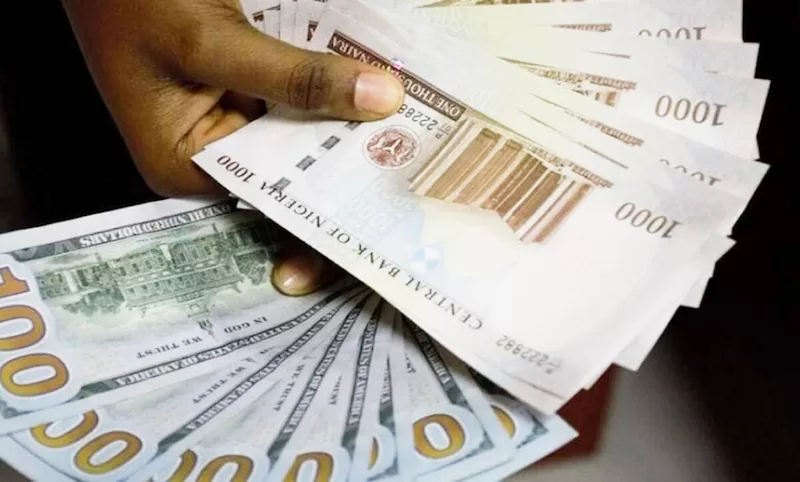
The Central Bank of Nigeria’s (CBN) latest Treasury Bills Primary Market Auction recorded strong investor demand for longer-tenor government securities, with the 364-day instrument attracting more than ₦2.5 trillion in subscriptions, far exceeding the amount offered.
The auction results highlight continued investor preference for longer-dated Nigerian Treasury bills as market participants seek to lock in elevated yields in the domestic fixed income market.
Strong Demand for Long-Term Treasury Bills
According to the auction summary released after the sale, the 364-day Treasury bill received ₦2.57 trillion in bids against an offer of ₦600 billion, with the central bank allotting ₦731.81 billion.
Despite the heavy demand, the stop rate for the one-year instrument edged slightly lower to 16.72%, down 0.01 percentage point, suggesting strong liquidity conditions and sustained appetite for risk-free government securities.
The estimated true yield for the 364-day bill stood at around 20.08%, reinforcing its attractiveness for institutional investors seeking higher returns.
Mixed Demand Across Shorter Tenors
Demand across shorter-dated instruments was comparatively moderate.
91-day Treasury Bill
Subscription: ₦131.12 billion
Offer: ₦100 billion
Allotment: ₦130.74 billion
Stop Rate: 15.95% (unchanged)
Estimated True Yield: ~16.62%
182-day Treasury Bill
Subscription: ₦82.34 billion
Offer: ₦150 billion
Allotment: ₦71.37 billion
Stop Rate: 16.65% (unchanged)
Estimated True Yield: ~18.17%
The six-month tenor recorded weaker demand relative to supply, indicating investors are increasingly favouring longer-dated instruments amid expectations that yields could remain elevated in the near term.
Fixed Income Market Outlook
Market analysts say the overwhelming demand for the 364-day Treasury bill reflects an ongoing strategy among investors to lock in high yields for longer durations, particularly in an environment of tight monetary policy and elevated interest rates
At the same time, the marginal decline in the stop rate suggests that liquidity in the Nigerian financial system remains relatively strong, allowing investors to accept slightly lower yields in exchange for longer-term government securities.
The stable stop rates on the 91-day and 182-day instruments also indicate that short-to-medium-term yield expectations in Nigeria’s fixed income market remain largely unchanged.
With government borrowing needs continuing and investors searching for yield, analysts expect Treasury bill auctions to remain heavily oversubscribed, especially at the long end of the curve.