
How a Disgruntled Colonel Recruited Officers for Failed Coup Against Tinubu
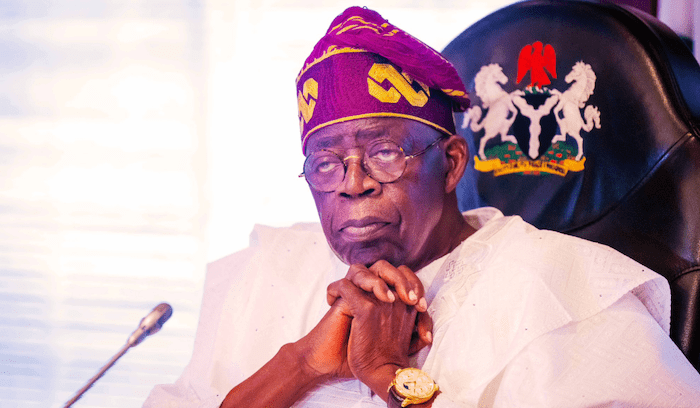
New details have emerged about the alleged failed coup plot against President Bola Tinubu, revealing how a disgruntled Army Colonel allegedly created a secret military network that was uncovered before it could be executed.
According to security sources, the officer, frustrated by career stagnation and repeated promotion setbacks, systematically recruited personnel from across the Army, Navy, and Air Force. Members of this covert network reportedly received instructions to monitor strategic government locations, including the Presidential Villa, Armed Forces Complex, and major airports in Abuja and Lagos
Investigators have uncovered encrypted communications, detailed operational plans, and logistical arrangements, indicating that the plotters had assigned roles to various participants and mapped out potential scenarios for a takeover of government installations. Some officers were allegedly given insider access to restricted areas, raising concerns about internal security breaches within the military.
The Defence Intelligence Agency (DIA) and other security units acted swiftly after detecting unusual movements and communication patterns among military personnel. Authorities reported that the alleged coup network had planned its operation for October 2025, but intervention by intelligence agencies prevented the plan from materializing.
Financial records examined during the investigation indicate that monetary inducements ranging from N2 million to N5 million were allegedly used to recruit and motivate officers. A key suspect, a Lieutenant Colonel, has reportedly provided crucial information about recruitment methods and communication channels, aiding the ongoing investigation.
The Defence Headquarters (DHQ) has confirmed that 16 officers implicated in the plot will face trial under military judicial panels, in line with Nigeria’s laws governing military discipline and national security breaches. The government emphasised that the military remains committed to democratic governance and the protection of constitutional order.
The exposure of this network has sparked public discussion about military discipline, internal security, and the need for intelligence vigilance. Analysts warn that such plots, though foiled, underscore the importance of robust oversight and continued reforms within the armed forces to prevent similar threats in the future.