
Lagos raises N244.8bn in first subnational Green Bond to fund infrastructure .
Lagos achieved a major milestone on Thursday after successfully issuing Nigeria’s first subnational Green Bond, raising ₦14.815 billion under its Series III issuance and an additional ₦230 billion through a Series IV Conventional Bond—marking the State’s largest bond transaction to date.
The dual issuance, conducted under the ₦1 trillion Debt and Hybrid Instruments Issuance Programme, drew overwhelming investor demand during the signing ceremony held at Balmoral Hall, Victoria Island.
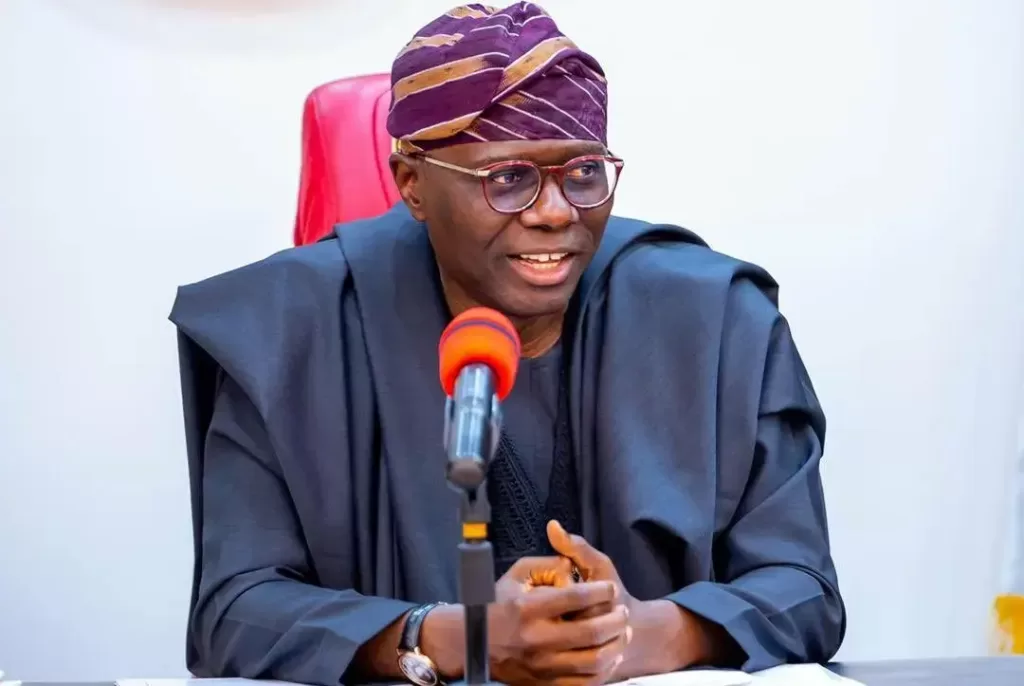
Governor Babajide Sanwo-Olu said the landmark issuance reflects investors’ confidence in Lagos’ long-term growth strategy and its commitment to sustainable development.
“This is not just a financial transaction; it is a bold statement of confidence in Lagos’ future,” Sanwo-Olu said. “We remain committed to transparent fiscal practices, infrastructure delivery, and environmental protection.”
Green Bond Attracts Double Subscription, Signals Strong Appetite for Sustainable Finance
The Series III Green Bond, targeted at raising ₦14.815 billion at a 16.00% coupon, attracted ₦29.29 billion in bids — nearly double the offer size. Of this, ₦27.79 billion fell within the price guidance set by the State.
The proceeds from the Green Bond will fund climate-resilient and environmentally sustainable projects, including transportation, waste management, urban renewal, and green infrastructure.
The bond is certified by the Climate Bond Initiative, meeting globally recognised green finance standards.
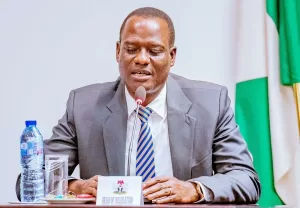
Commissioner for Finance, Yomi Oluyomi, said the selection of projects reflects Lagos’ commitment to sustainable development in line with global ESG standards.
Conventional Bond Oversubscribed to ₦310bn as Lagos Activates Greenshoe Option.
Series IV Conventional Bond also recorded strong investor appetite. Lagos targeted ₦200 billion, but bids surged to ₦310.06 billion, with ₦304 billion within the guidance range.
The State exercised a greenshoe option—raising ₦230 billion at a 16.25% coupon rate—citing regulatory limits on the full allotment.
Sanwo-Olu described the oversubscription as a validation of Lagos’ fiscal credibility and track record in project execution.