National Assembly reviews proposals for 55 new states, 278 councils
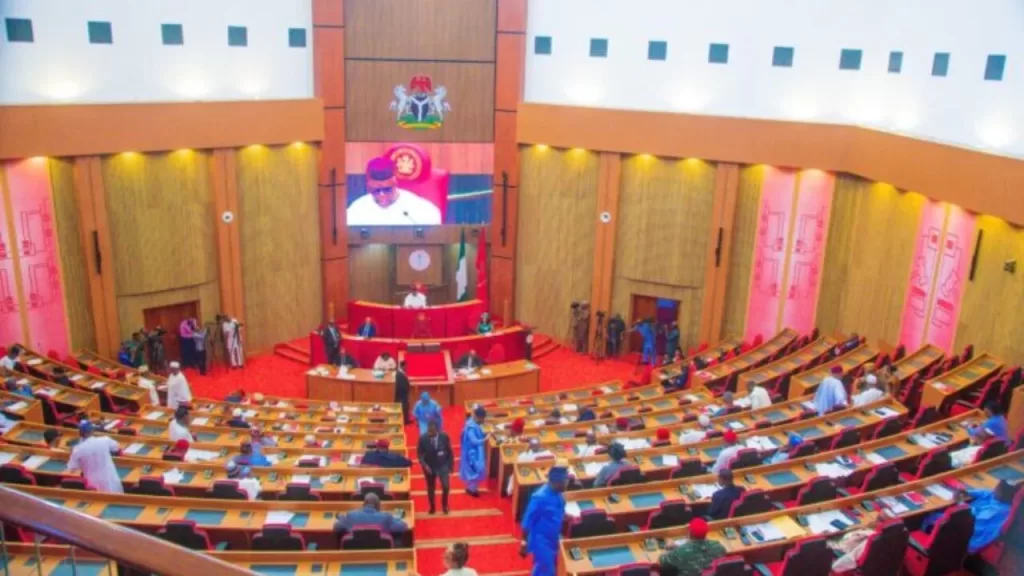
The National Assembly has begun deliberations on major constitutional amendment proposals that could lead to the creation of 55 new states and 278 additional local government areas across Nigeria.
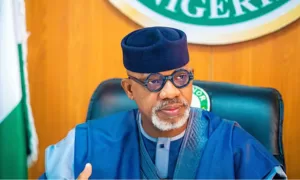
This was disclosed in a statement on Friday by Ismail Mudashir, Special Adviser on Media and Publicity to the Deputy President of the Senate, Barau I. Jibrin.
Speaking at the opening of a two-day joint retreat of the Senate and House of Representatives Committees on the Review of the 1999 Constitution in Lagos, Senator Barau reaffirmed the legislature’s commitment to delivering “people-centred and timely” constitutional amendments.
Barau, who also chairs the Senate Committee on Constitution Review, urged lawmakers to work toward fulfilling their pledge to transmit the first set of amendments to state Houses of Assembly before the end of the year.
“It has been a long journey to bring the Senate and House of Representatives Constitution Amendment proposals that cut across several sections and deal with different subject matters,” he said.
“We have been in this process for the past two years, engaging our constituents, critical stakeholders, institutions, civil society organisations, and interest groups through town hall meetings, interactive sessions, and public hearings—harvesting and synthesising views that have now culminated in what we have here today: 69 bills, 55 state creation requests, two boundary adjustments, and 278 local government creation requests.”
Barau noted that lawmakers are expected to review and make recommendations on these proposals, expressing optimism that meaningful progress could be achieved within the two-day session.
“It is not going to be a simple task to achieve within two days, but I believe we can do it, especially as we have promised Nigerians that we will deliver the first set of amendments to the State Houses of Assembly before the end of this year,” he said.
Emphasising the need for patriotism and unity during the review exercise, Barau—who also serves as the First Deputy Speaker of the ECOWAS Parliament—urged participants to set aside regional differences and focus on national interest.
“We are seated here as one committee. There should be no ‘we’ and ‘them’; we should be guided by the interests of Nigerians. I wish all of us a very fruitful deliberation and hope for recommendations that will meet the approval threshold under Section 9 of the Constitution,” he stated.
Efforts to amend Nigeria’s 1999 Constitution have often faced significant hurdles, largely due to the complex process involved and the requirement for approval from at least two-thirds of the 36 state Houses of Assembly.
Previous amendment attempts have stalled due to political disagreements, regional tensions, and disputes over resource control, state creation, and devolution of powers.
The last major amendment effort by the Ninth National Assembly succeeded in passing key bills on financial autonomy for state legislatures and the judiciary but failed to push through others, including those on state police and local government autonomy.
Political observers note that while the current exercise demonstrates renewed political will, the large number of proposals—especially those concerning new states and councils—could once again test Nigeria’s unity and lawmakers’ ability to balance public aspirations with governance realities.