
Senate resumes plenary today, to tackle security summits , electoral reforms
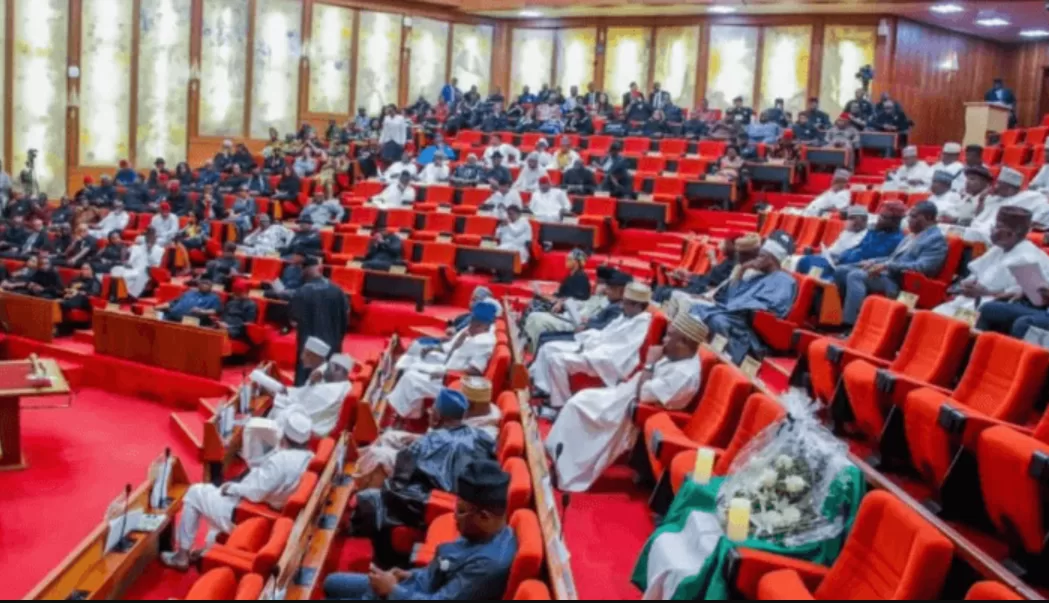
After weeks of legislative lull, the Senate will on Tuesday resume plenary with a heavy agenda focused on long-delayed national priorities, including the proposed Security Summit and Electoral Act amendments.
The upper chamber had initially planned to reconvene on September 23 but shifted its resumption to October 7, extending its annual recess by two weeks.
The delay effectively put on hold several key bills and motions, including the Constitution Alteration Bill (2025) and the National Assembly Budget and Research Office Bill — a 20-year-old proposal designed to enhance fiscal oversight through independent budget analysis.
An internal memo signed by Chinedu Akubueze, Chief of Staff to Senate President Godswill Akpabio, informed lawmakers of the new date, noting, “Any inconvenience this short notice may cause is deeply regretted.”
The delay, however, has sparked public concern, as several critical national issues await deliberation — particularly the much-anticipated Security Summit, which aims to develop a fresh, community-based approach to tackling rising insecurity across the country.
Senate Leader Opeyemi Bamidele, who chairs the 20-member ad hoc committee on the summit, earlier pledged that the upper chamber would pursue a “grassroots-driven” strategy to strengthen national security.
“No amount of investment in infrastructure will yield meaningful results without peace and stability,” Bamidele stated at the committee’s inaugural meeting in June.
Also high on the agenda is the Constitution Alteration Bill (SB. 855) sponsored by Senator Sunday Karimi (Kogi West), which seeks to amend key sections of the 1999 Constitution critics say no longer reflect Nigeria’s democratic realities.
Senate President Akpabio has repeatedly defended the chamber’s performance, noting in June that the 10th Senate had already considered 844 pieces of legislation, including 26 executive bills, with 499 others awaiting second reading.
“It is a record that has not been held by any Nigerian Senate in two years,” Akpabio said during the Democracy Day joint session attended by President Bola Tinubu and Vice President Kashim Shettima.
Nonetheless, critics contend that frequent adjournments and prolonged recesses have slowed legislative momentum on urgent national concerns — from worsening insecurity and electoral credibility to the struggling economy — raising questions about the Senate’s ability to match its rhetoric with tangible results.