5% Fossil Fuel Tax Set to Kick In January 2026 in Nigeria
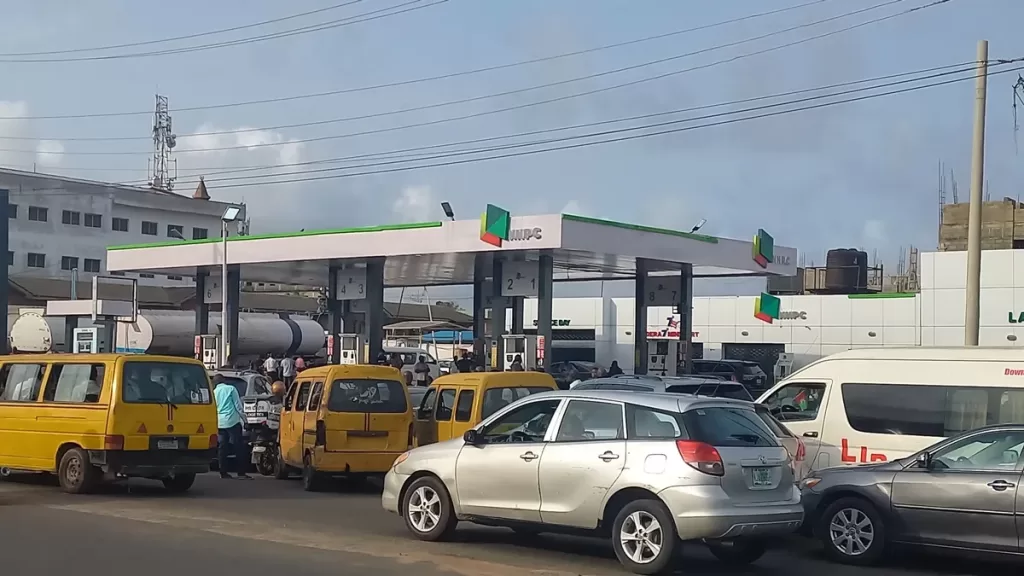
Nigeria, Africa’s largest oil producer, has announced a 5% tax on all fossil fuel sales as part of its new tax law that goes into effect in January 2026. According to this new tax regulation, Nigerians are now expected to pay a “5% surcharge that is chargeable on fossil fuel products provided or produced in Nigeria”, a fee which, according to the stipulation of the act,“shall be collected at the time of a chargeable transaction, meaning at the point of sale”. This surcharge excludes clean or renewable energy products, household kerosene, cooking gas, and compressed natural gas.
The framing and the wording of this law make it an effort to put a price incentive on fossil fuel consumption, to shift consumption from fossil fuels to cleaner alternatives. This, in every sense, mirrors a carbon tax, even though in this case, a percentage was used instead of an explicit cost. Speaking of a carbon tax, a carbon tax is a sales tax applicable to fossil fuels or carbon-intensive fuels at the point of purchase. Depending on the country or jurisdiction, the primary aim of a carbon tax is to disincentivize the use of fossil fuels, and secondarily, to raise revenue for the government. This is known as the double dividend of carbon pricing.
Let us start with what the government of the day has got right. First, the surcharge or fossil fuel tax was not introduced in isolation. The tax was introduced as part of a broader framework of tax reforms, drawing inspiration from how Sweden introduced its carbon tax in the 1990s as part of a broader comprehensive tax reform. Such an approach helps reduce the risk of backlash and the possibility of the tax being struck down before it even takes off. Embedding the surcharge in a cocktail of tax policies insulates it from undue scrutiny. In the same vein, implementing the surcharge alongside other reforms ensures that the policy is in sync with other new regulations and aligns with the government’s direction of travel.
Nigeria’s 5% surcharge is a brilliant effort to wean the country off its long-term addiction to fossil fuels. This policy demonstrates proactive thinking and fiscal foresight on the part of the government. If done properly, it has the potential of helping to help decouple Nigeria’s economic growth from carbon emissions, actualize its NDC commitment, and mobilize finance for sustainable development. This comes after the government removed the problematic fuel subsidy two years ago, an effort that, coupled with the recent surge in electricity tariff, has led to an accelerated renewable energy adoption and an explosion in solar uptake. As a result,the country moved to 4th place in Africa for solar energy adoption in 2024 with an addition of 63.5 MWp of capacity, bringing its total installed capacity to 385.7 MWp as people scrambled to find cheaper alternative sources of energy.
Nigerians will be required to pay an additional 5% on every purchase of fossil fuels at the point of payment, following the implementation of a new tax law by the federal government. This law mandates a 5% surcharge on all fossil fuel products supplied or produced within Nigeria.
The legislation specifies that the tax will be collected immediately during the transaction, effectively making it a point-of-sale levy. However, certain energy sources are exempted from this surcharge, including clean or renewable energy, household kerosene, cooking gas, and compressed natural gas (CNG).
If implemented efficiently, this policy is expected to curb the growth of greenhouse gas emissions, support Nigeria’s climate change commitments, and generate funds that could be directed toward sustainable development initiatives.
Despite its potential environmental benefits, energy policy experts have raised concerns about the uniform 5% rate. They argue that it fails to account for socio-economic disparities in Nigeria, where millions of citizens and small businesses depend on petrol-powered generators for electricity. Critics suggest that the policy could disproportionately impact low-income households and small enterprises that rely heavily on fossil fuels for daily operations.